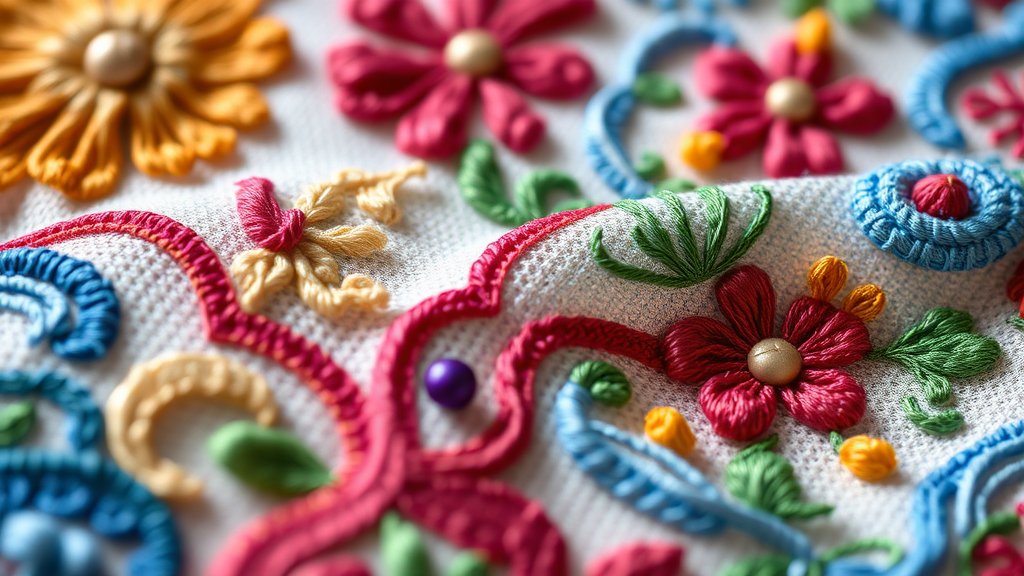
Ever thought about what makes embroidery fabric so mesmerizing? It’s not just the intricate patterns or the vibrant threads; it’s also the history, the craftsmanship, and the sheer dedication behind each piece. Imagine a fabric that tells a story, capturing cultures and eras in its stitches. Now, that’s something special. Embroidery isn’t just decoration—it’s an art form that has evolved over centuries.
From ancient civilizations using rudimentary tools to today’s high-tech embroidery machines, the journey of Knipidee embroidered fabrics is as rich as the designs themselves. Think about the delicate floral patterns on a vintage handkerchief or the bold motifs on a modern denim jacket. These aren’t just random designs; they’re expressions of creativity, tradition, and sometimes even rebellion. And guess what? They’re here to stay, continually evolving with fashion trends.
In today’s fashion world, embroidered fabrics are making a massive comeback. They’re not just for grandmas’ quilts anymore. From high fashion runways to everyday streetwear, embroidery adds that extra ‘oomph.’ It’s like wearing a piece of art, something unique that sets you apart from the crowd. And let’s be honest, who doesn’t want to stand out a little?
The evolution of textiles in modern fashion
Fashion is ever-changing, but textiles have their own fascinating evolution. Remember when cotton was king? Well, it still holds its throne, but now it shares the spotlight with a myriad of other materials. Think bamboo fibers, recycled polyester, and even fabrics made from ocean plastics. The textile industry is no longer just about producing cloth; it’s about innovation, sustainability, and pushing boundaries.
Take denim, for example. Once deemed as workwear, it’s now a staple in everyone’s wardrobe. But it’s not just any denim we’re talking about—think organic cotton denim or stretchable blends that offer comfort without compromising style. The beauty of modern textiles lies in their versatility and functionality. They’re not just fabrics; they’re solutions to everyday fashion dilemmas.
And then there’s smart textiles. Yes, you heard that right—fabrics that can interact with your body and environment. From temperature-regulating shirts to moisture-wicking gym wear, these innovations are transforming how we think about clothing. It’s like living in a sci-fi movie, except it’s happening right now. The future of textiles is not just exciting; it’s downright revolutionary.
Innovative materials shaping the future of fashion
Eco-friendly fabric trends
Sustainability is no longer just a buzzword; it’s a necessity. The fashion industry is notorious for its environmental impact, but times are changing. Enter eco-friendly fabrics—materials designed to lessen our ecological footprint while still offering style and comfort. Ever heard of Tencel? Made from wood pulp, this fabric is not only biodegradable but also incredibly soft and breathable. It’s like nature’s gift to fashion lovers.
Another star in the eco-friendly fabric world is hemp. Durable and versatile, hemp needs fewer pesticides and water than traditional crops like cotton. Plus, it gets softer with each wash—talk about aging gracefully! Then there’s recycled polyester made from plastic bottles. Imagine turning trash into trendy outfits—that’s what sustainable fashion is all about.
Technological advancements in textiles
If you think tech is only for gadgets, think again. The textile industry is embracing technology like never before. From 3D printing fabrics to integrating LED lights into clothing, technology is pushing the boundaries of what’s possible in fashion. Imagine wearing a dress that changes color with your mood or a jacket that charges your phone. Sounds like science fiction? Well, it’s becoming reality.
One exciting development is in the realm of smart textiles—fabrics embedded with sensors and conductive threads that can monitor health metrics or even change properties based on environmental conditions. Picture a sports shirt that tracks your heart rate or a jacket that adjusts its insulation based on temperature changes. These aren’t just innovations; they’re game-changers.
So next time you slip into your favorite outfit, take a moment to appreciate the fabric’s journey—from concept to creation. Whether it’s an embroidered masterpiece or an eco-friendly marvel, textiles are more than just materials—they’re stories woven into our daily lives.